

Live Performance 11 hours ago
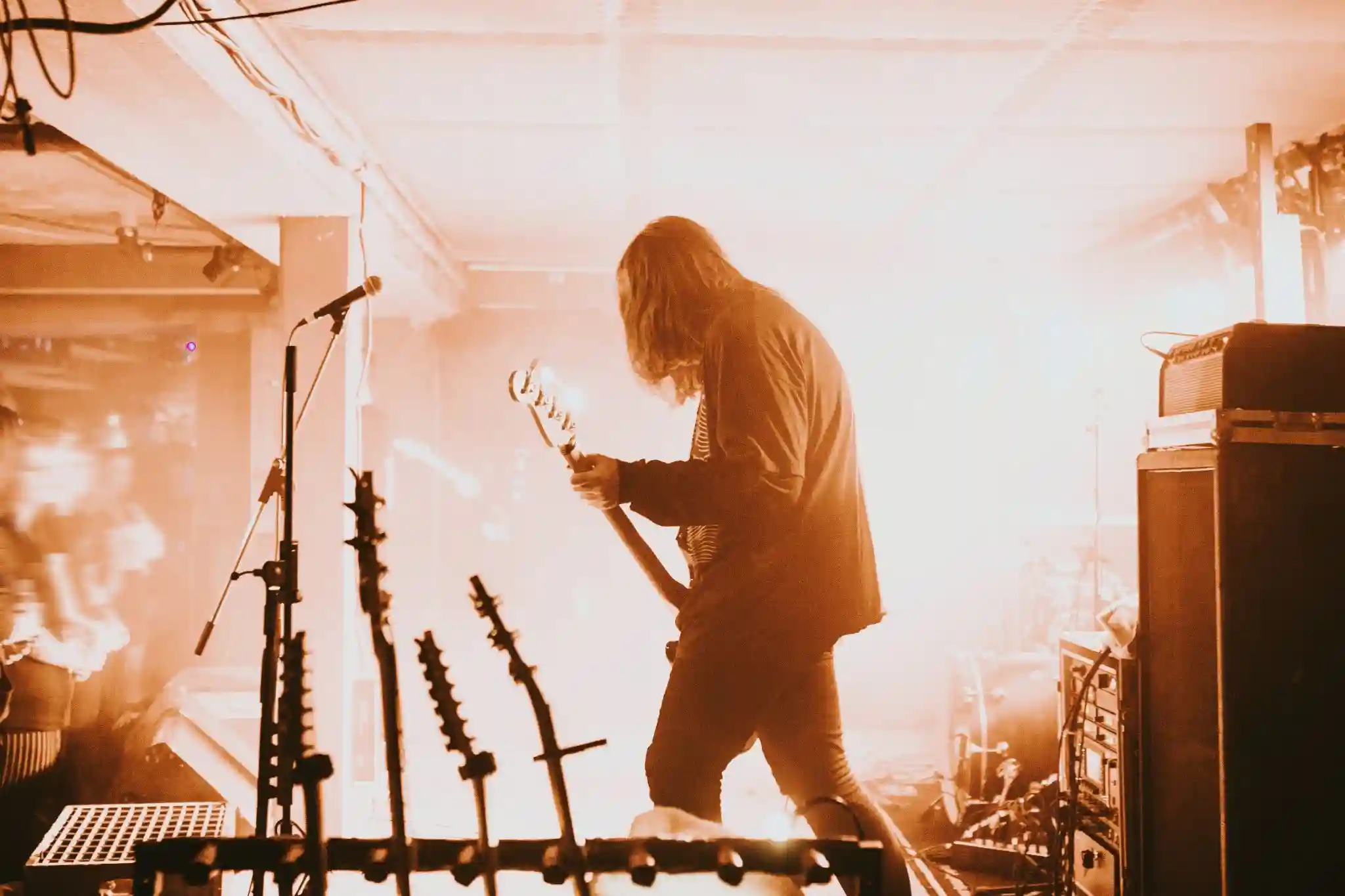
Live Performance Tips, Techniques, and Best Practices for Musicians.
Live shows feel different from rehearsals in every possible way. The pressure is real, the audience is watching closely, and small mistakes feel bigger than they actually are. This is why live performance tips matter so much for musicians who already know how to play their instruments but want to perform with more control and confidence. At this stage, success is not about learning basic skills anymore. It is about handling pressure, reading the room, and staying consistent when things do not go exactly as planned. Many experienced performers agree that the real challenge begins after the basics are mastered.
Building Strong Stage Presence
Stage presence is often what separates a good performance from a memorable one. Many musicians think it means moving around a lot, but it is more about intention and awareness. Good stage presence feels natural and controlled, not forced or random. One of the most useful live performance tips here is to understand how your energy affects the audience. If you appear unsure, the audience feels it. If you appear relaxed and confident, they respond the same way. This balance takes time to build but becomes stronger with every performance.
A common mistake after the beginner stage is either freezing on stage or overacting to cover nervousness. Both approaches reduce connection with the audience. Experienced performers instead focus on small, meaningful movements and steady engagement. Eye contact, posture, and timing between songs all shape how the audience experiences the performance. Over time, this creates a natural stage identity that feels authentic and easy to maintain.
Sound Awareness and Control
One of the most overlooked live performance tips is understanding how sound behaves in different environments. A rehearsal room never sounds like a large hall or an outdoor stage. Even the same song can feel completely different depending on the acoustics and equipment setup. This is why experienced musicians spend time adjusting to each venue instead of expecting everything to sound perfect right away.
Working with sound engineers is also part of this learning process. Clear communication about monitor levels and instrument balance can make a huge difference in how comfortable you feel on stage. When musicians ignore this step, they often struggle during performance because they cannot hear themselves properly. Adjusting quickly and calmly is a skill that improves with experience and makes performances much smoother.
Handling Mistakes During Performance
Every musician makes mistakes during live shows. It is completely normal, even for professionals. What matters more is how you respond in that moment. One of the most important live performance tips is to stay in rhythm and continue playing without showing panic. The audience usually does not notice small errors unless the performer reacts strongly to them.
After the beginner stage, many musicians make the mistake of stopping or overthinking when something goes wrong. This breaks the flow of the performance. A better approach is to stay focused on timing and keep moving forward. With practice, recovery becomes automatic. You learn to accept small mistakes as part of live music instead of something that ruins the performance.
Managing Nervous Energy and Focus
Nervousness does not disappear completely, even with experience. Instead, musicians learn how to control it. Simple preparation habits before going on stage help a lot. Breathing slowly, warming up properly, and mentally reviewing the setlist can create a calmer mindset. These habits are often shared as essential live performance tips by seasoned performers.
During the performance, staying present is key. Many musicians lose focus by thinking too much about what comes next or what just went wrong. This creates tension and affects timing. The better approach is to focus only on the moment you are playing. This keeps performance smooth and helps maintain emotional connection with the music and audience.
Planning a Strong Setlist Flow
A setlist is not just a list of songs. It is the emotional structure of the entire performance. Good live performance tips always include careful planning of how energy moves from one song to another. Starting too strong or ending too softly can affect how the audience remembers the show.
Experienced musicians think about contrast and pacing. They mix high-energy songs with slower moments to create balance. This keeps the audience engaged without overwhelming them. Some performers even adjust their setlist during the show based on audience response, which shows how flexible live performance can be when done at a professional level.
Technical Preparation Before the Show
Technical readiness is often ignored until something goes wrong on stage. Instruments, cables, and sound systems need to be checked before every performance. One of the most practical live performance tips is to always assume something can go wrong and prepare for it in advance.
Musicians who perform regularly develop a routine for checking their gear. This reduces stress during the show and builds confidence. Having backup equipment or simple alternatives also helps avoid interruptions. When technical issues are handled smoothly, the performance feels more professional and stable.
Connecting With the Audience
Music becomes more powerful when there is a connection between the performer and the audience. This connection does not come from playing perfectly. It comes from expression and communication. One of the most effective live performance tips is to speak naturally between songs and acknowledge the audience without overthinking it.
Emotional delivery also plays a big role here. When musicians focus on feeling the music rather than just playing it correctly, the audience responds more strongly. Small expressions, timing changes, and energy shifts all help create a shared experience that feels real and engaging.
Working as a Team on Stage
For bands and groups, coordination is essential. Even small timing differences can affect the overall sound. One of the most important live performance tips for groups is learning to communicate without words. Eye contact and small gestures help musicians stay aligned during performance.
Rehearsing in conditions that feel like a real stage also improves coordination. When a band practices under pressure, they become more stable during live shows. This reduces confusion and helps the entire group perform as one unit instead of separate players.
Adapting to Different Venues
No two venues feel the same. Indoor halls, outdoor stages, and small clubs all require different approaches. Experienced musicians understand this and adjust their performance style accordingly. This flexibility is one of the most practical live performance tips for long-term growth.
Audience behavior also changes depending on location and culture. Some crowds are more interactive while others prefer to listen quietly. Understanding this helps musicians adjust their energy and communication style. It creates a better experience for both the performer and the audience.
Learning From Every Performance
Every live show offers lessons. After the performance, reviewing what went well and what did not helps improve future shows. Many musicians record their performances for this reason. It gives a clearer picture of timing, sound quality, and stage behavior.
Feedback from sound engineers and fellow musicians is also valuable. They often notice things that the performer misses. Over time, this reflection process becomes one of the most important live performance tips for continuous improvement.
Conclusion
Live performance is a skill that develops with time, awareness, and experience. It is not just about playing music correctly but about handling pressure, connecting with people, and staying flexible in unpredictable situations. These live performance tips help musicians move beyond basic performance skills and build stronger stage confidence. With consistent practice and attention to detail, every show becomes an opportunity to improve and grow as a performer.
FAQs
1. What are the most important live performance tips for musicians?
The most important live performance tips include stage presence, sound awareness, handling mistakes calmly, and staying focused during the entire performance without losing rhythm or confidence on stage.
2. How can musicians improve their stage presence quickly?
Musicians can improve their stage presence by practicing intentional movement, maintaining eye contact with the audience, and staying relaxed while performing instead of overthinking their actions on stage.
3. Why is sound awareness important during live shows?
Sound awareness helps musicians adjust to different venues, communicate better with engineers, and ensure that their performance sounds balanced and clear for the audience.
4. How should musicians handle mistakes on stage?
The best approach is to stay in rhythm and continue playing without reacting strongly. Most audiences do not notice small mistakes unless the performer draws attention to them.
5. How do live performance tips help long-term growth?
They help musicians build consistency, confidence, and adaptability, allowing them to perform better in different environments while improving with every live show experience over time.