

Music Technology 11 hours ago
Music Production Tools Every Modern Creator Should Know
Music creation has changed dramatically over the past two decades. What once required expensive studios and large teams can now happen in a bedroom or small home studio. Technology has removed many barriers and opened music production to creators at every level.
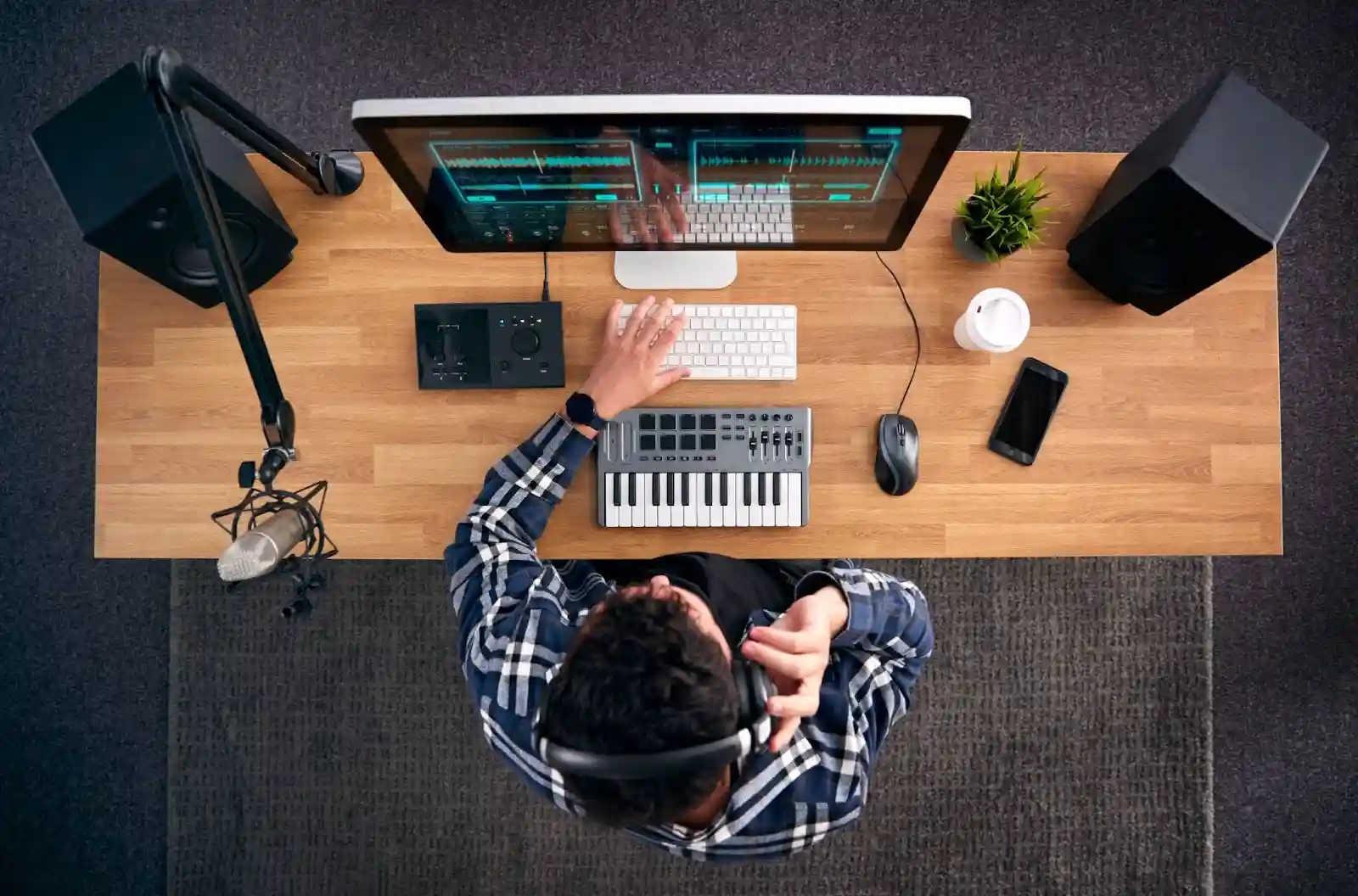
Today, music production tools are no longer optional. They shape how ideas are recorded, edited, mixed, and shared. Digital audio workstations, plugins, and home studio setups form the backbone of modern music workflows. They help creators move faster, experiment freely, and refine their sound with precision.
This guide explores the music production tools every modern creator should know. You will learn what these tools are, why they matter, and how to choose the right setup for your goals. Whether you are just starting or refining your process, this article will help you build a practical and creative toolkit.
What Are Music Production Tools?
Music production tools are the technologies and equipment used to create, record, edit, and polish music. They include software and hardware that support every stage of the production process.
These tools allow creators to capture sound, shape tone, arrange tracks, and finalize mixes. Digital tools handle tasks that once required physical gear and technical specialists. Hardware tools help translate real-world sound into digital formats.
Both beginners and professionals rely on music production tools because they offer control and flexibility. A beginner can learn the basics without large investments. A professional can push creative boundaries and meet industry standards. In both cases, the tools support ideas rather than replace creativity.
Why Modern Creators Need the Right Music Production Tools
The right tools directly influence how efficiently creators work. They can speed up idea development and reduce technical frustration. Poor tools or mismatched setups often slow progress and drain motivation.
Quality music production tools also improve sound clarity and consistency. While tools cannot replace skill, they make it easier to apply good technique. Clean recordings, balanced mixes, and creative effects all depend on reliable tools.
Modern music production is about balance. Technology should support skill, not overpower it. The best creators use tools as extensions of their creative thinking. They choose setups that feel natural and help ideas flow without constant obstacles.
Core Music Production Tools Every Creator Should Know
Digital Audio Workstations (DAWs)
A digital audio workstation is the central hub of modern music production. It is where recording, editing, arranging, and mixing all happen. Every creator needs a DAW to bring ideas together.
Popular DAWs vary in style and workflow. Some focus on live recording. Others excel at electronic production or beat making. Each DAW offers similar core functions but feels different in use.
Choosing a DAW depends on workflow, genre, and personal comfort. The best DAW is the one that helps you work smoothly and stay creative. Mastering one DAW is often more valuable than switching between many.
Plugins and Virtual Instruments
Plugins extend what a DAW can do. They shape sound, add effects, and solve technical problems. Common plugins handle equalization, compression, reverb, and delay. These tools help polish recordings and balance mixes.
Virtual instruments allow creators to produce sounds without physical instruments. They range from realistic pianos and drums to experimental synths. This opens creative possibilities for producers with limited space or budget.
Used wisely, plugins and virtual instruments enhance creativity. Overuse, however, can distract from core musical ideas. Simplicity often leads to better results.
Home Studio Essentials for Music Production
A home studio has become central to modern music creation. It provides a consistent space where ideas can be developed at any time. Even simple setups can produce professional results when used correctly.
Acoustics play a key role in sound quality. Poor room acoustics can distort what you hear and affect mixing decisions. Basic sound treatment can make a noticeable difference without large costs.
Audio Interfaces and Controllers
An audio interface converts sound into digital data. It connects microphones and instruments to your computer. A reliable interface ensures clean recordings and low latency.
MIDI controllers help translate ideas into music. They allow hands-on interaction with virtual instruments. This makes the creative process feel more natural and expressive.
Monitoring and Recording Equipment
Studio monitors and headphones help creators hear sound accurately. Monitors provide a natural listening experience. Headphones offer detail and isolation. Both are useful in different situations.
Microphones capture vocals and instruments. Choosing the right microphone depends on what you record most. A versatile microphone can cover many needs in a home studio.
How Music Production Tools Shape Creative Workflow
Music production tools influence how ideas move from thought to finished track. Efficient tools reduce friction and help creators stay focused.
Digital environments allow experimentation without high costs. Ideas can be tested, changed, and refined quickly. Mistakes become part of the creative process rather than setbacks.
Saving, revising, and collaborating digitally has also changed music creation. Files can be shared instantly. Feedback can be applied without re-recording entire sessions. This flexibility supports creative growth.
Choosing the Right Music Production Tools for Your Needs
Choosing tools should start with clear goals. Beginners benefit from simple setups that encourage learning. Advanced creators may need more specialized tools.
Avoid buying tools based on trends alone. Many creators collect plugins they rarely use. It is better to understand a few tools deeply than own many unused ones.
Building a setup gradually allows skills to grow alongside equipment. Each new tool should solve a real problem or support a creative goal.
Common Mistakes When Using Music Production Tools
One common mistake is relying too much on plugins instead of technique. Tools cannot fix weak arrangements or poor performances.
Another issue is overcomplicating home studio setups. Too much gear can slow workflow and distract from creativity.
Ignoring sound quality basics is also common. Proper gain staging, monitoring, and recording habits matter more than expensive tools.
How to Keep Your Music Production Setup Future-Ready
Technology changes quickly, but chasing every update is unnecessary. Staying informed helps you choose upgrades wisely.
Managing software updates and compatibility protects your workflow. Sudden changes can disrupt ongoing projects.
Learning new tools strategically keeps skills relevant. Focus on tools that align with your creative direction and long-term goals.
Music Production Tools for Different Types of Creators
Solo artists and bedroom producers benefit from compact and flexible setups. Portability and ease of use matter most.
Content creators and podcasters focus on clear recording and simple editing tools. Reliability is key.
Professional musicians and producers often need advanced routing, collaboration features, and high-quality monitoring. Their tools support speed and precision.
Final Thoughts
Music production tools shape how modern creators work, learn, and express ideas. DAWs, plugins, and home studio gear form the foundation of today’s music landscape.
The goal is not to own everything. It is to build a balanced toolkit that supports creativity and growth. When tools feel intuitive, ideas flow more freely.
Focus on developing skills alongside technology. Let your tools serve your music, not the other way around.
FAQs
1. What are music production tools and why are they important for modern creators?
They include software and hardware that help record, edit, and mix music efficiently while supporting creativity today.
2. Do beginners need expensive music production tools to get started?
No, many affordable DAWs, plugins, and basic home studio setups provide everything needed to learn production fundamentals and create music.
3. How do DAWs and plugins work together in music production?
DAWs host and organize projects, while plugins process audio, shape sound, add effects, and expand creative options within the workflow.
4. What basic home studio equipment should every creator have?
A computer, DAW, audio interface, headphones or monitors, and a microphone form a home studio setup for recording and producing music.
5. How can creators avoid common mistakes with music production tools?
Focus on fundamentals, learn tools deeply, avoid overusing plugins, maintain recording practices, and build setups gradually based on actual needs.