
Festival Culture 2 days ago
What challenges and opportunities shape the future of art festival culture?
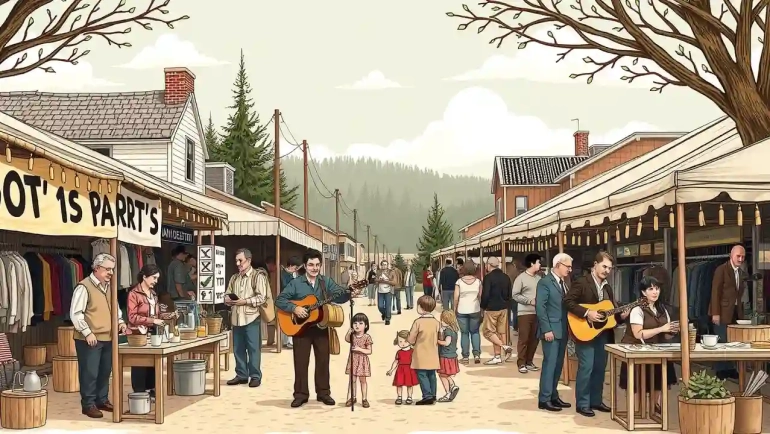
Art festivals have long served as vibrant celebrations of creativity, community, and culture. They provide artists with a platform to showcase their work and offer audiences a unique opportunity to engage with art in diverse forms. However, the landscape of art festival culture is continually evolving, shaped by a myriad of challenges and opportunities. As we look to the future, it’s essential to explore these dynamics to understand how they influence the development of art festivals worldwide.
The Evolution of Art Festival Culture
Art festivals have existed for centuries, with origins that can be traced back to ancient civilizations. In modern times, they have transformed into multifaceted events that encompass visual arts, music, performance, and interactive installations. Notable examples include the Venice Biennale, the Edinburgh Festival Fringe, and Coachella, each representing unique cultural expressions and artistic traditions.
The Impact of Technology
One of the most significant factors shaping the future of art festival culture is technology. The rise of digital platforms has revolutionized how art is created, shared, and experienced. Virtual reality (VR), augmented reality (AR), and online streaming have opened new avenues for artists to connect with audiences beyond geographical boundaries.
For instance, during the COVID-19 pandemic, many art festivals transitioned to virtual formats. The Venice Biennale, for example, adapted by hosting online exhibitions and talks, allowing global audiences to engage with art from the safety of their homes. This shift not only kept the festival alive but also expanded its reach, illustrating the potential of technology to enhance accessibility.
Social Media Influence
Social media platforms have become crucial for promoting art festivals, allowing organizers to reach wider audiences and engage with them in real time. Artists can showcase their work, and festival-goers can share their experiences, creating a dynamic dialogue around the event. Instagram, in particular, has emerged as a powerful tool for visual artists, as the platform’s focus on imagery lends itself well to artistic expression.
As an example, the Art Basel festival utilizes Instagram to feature artworks, artist interviews, and behind-the-scenes content, generating buzz and anticipation leading up to the event. This digital presence not only increases visibility but also fosters a sense of community among art lovers.
Challenges Facing Art Festivals Today
While the future of art festival culture is filled with opportunities, several challenges persist that organizers must address.
Economic Pressures
Art festivals often rely on sponsorships, ticket sales, and merchandise to fund their activities. However, economic downturns, such as the one triggered by the COVID-19 pandemic, can severely impact their financial viability. Many festivals were forced to cancel or scale back their events, leading to significant losses.
Moreover, inflation and rising costs of living can deter audiences from attending, as individuals prioritize essential expenses over entertainment. This economic pressure necessitates innovative funding strategies, such as crowdfunding or collaborations with local businesses, to sustain art festivals.
Diversity and Inclusion
Another pressing challenge is the need for greater diversity and inclusion within art festivals. Historically, many festivals have been criticized for their lack of representation of marginalized artists and communities. Ensuring that festivals reflect a broad spectrum of voices is essential for fostering a vibrant and inclusive art culture.
For instance, the Chicago Architecture Biennial has made strides towards inclusivity by featuring artists and architects from diverse backgrounds and perspectives. By prioritizing representation, festivals can create a more enriching experience for attendees and promote social dialogue through art.
Environmental Sustainability
As awareness of climate change and environmental issues grows, art festivals face increased scrutiny regarding their sustainability practices. The carbon footprint associated with large-scale events, including transportation, waste production, and energy consumption, has prompted calls for greener initiatives.
Some festivals are responding by implementing sustainable practices, such as reducing single-use plastics, utilizing renewable energy sources, and promoting local art and culture to minimize transportation impacts. The Edinburgh Festival Fringe, for example, has committed to becoming more environmentally friendly by encouraging recycling and waste reduction among participants and attendees.
Opportunities for Growth in Art Festival Culture
Despite the challenges, numerous opportunities exist for art festivals to innovate and thrive in the coming years.
Embracing Hybrid Formats
The success of virtual and hybrid formats during the pandemic has opened new avenues for art festivals. By combining in-person and online experiences, festivals can cater to diverse audiences, allowing those who cannot attend physically to engage with the event virtually.
For example, the Sundance Film Festival introduced a hybrid model that included both in-person screenings and virtual access to films, expanding its reach and allowing more people to participate. This approach not only increases accessibility but also enhances the overall experience by providing multiple platforms for engagement.
Collaborating Across Disciplines
Interdisciplinary collaborations between artists, musicians, performers, and other creative professionals can lead to innovative and unique experiences at art festivals. By breaking down silos, festivals can create dynamic programming that attracts diverse audiences.
The Coachella Valley Music and Arts Festival exemplifies this approach, showcasing not only musical performances but also large-scale art installations and interactive experiences. This blending of disciplines creates a holistic cultural experience that captivates attendees and encourages exploration.
Fostering Community Engagement
Art festivals have the potential to strengthen community bonds by involving local artists, organizations, and residents in the planning and execution of events. By prioritizing community engagement, festivals can create a sense of ownership and pride among participants.
For instance, the Portland Art Museum’s “Art in the Community” initiative emphasizes collaborations with local artists and organizations, resulting in programming that resonates with the community’s identity and values. Such engagement fosters deeper connections and encourages ongoing participation in the arts beyond the festival itself.
The Future of Art Festival Culture
Looking ahead, the future of art festival culture will likely be characterized by adaptability, resilience, and innovation. As festivals continue to navigate challenges and seize opportunities, several trends are likely to shape their evolution.
Increased Focus on Mental Health and Well-Being
The pandemic has highlighted the importance of mental health and well-being, and art festivals can play a vital role in promoting these aspects. By incorporating wellness programming, such as mindfulness workshops, art therapy sessions, and interactive installations that encourage reflection, festivals can create a supportive environment for attendees.
The “Wellness at the Festival” initiative at the Bonnaroo Music and Arts Festival offers yoga sessions, mindfulness activities, and wellness workshops, showcasing how festivals can contribute to the overall well-being of participants. This focus on mental health can foster a more holistic experience and encourage attendees to engage with art as a means of healing and self-exploration.
Harnessing Technology for Enhanced Experiences
As technology continues to advance, art festivals will increasingly leverage innovative tools to create immersive experiences. Virtual reality, augmented reality, and interactive installations can enhance audience engagement and provide new ways to experience art.
The Digital Art Museum in Berlin has embraced technology to create immersive experiences that merge physical and digital art. By incorporating these tools, festivals can captivate audiences and elevate their interactions with art.
Sustainability as a Core Value
The emphasis on sustainability will likely become a fundamental principle of art festival culture. As environmental awareness grows, festivals that prioritize sustainable practices will appeal to conscious consumers and artists alike.
The Green Festival in San Francisco exemplifies this trend, showcasing eco-friendly vendors, sustainable practices, and educational programming focused on environmental issues. By embedding sustainability into their missions, festivals can attract like-minded participants and contribute positively to the planet.
Conclusion
The future of art festival culture is a dynamic landscape filled with challenges and opportunities. As festivals continue to adapt to changing societal needs, technological advancements, and environmental considerations, they can foster vibrant communities that celebrate creativity and diversity. By embracing innovation, inclusivity, and sustainability, art festivals can thrive and remain relevant in an ever-evolving cultural landscape.
As we navigate this future, the role of art festivals in shaping cultural dialogue and fostering connections will remain paramount. Through collaboration, engagement, and a commitment to positive change, art festival culture can continue to inspire and uplift artists and audiences alike.
FAQs
What are the main challenges facing art festival culture today?
Art festival culture faces challenges such as economic pressures, the need for diversity and inclusion, and environmental sustainability concerns.
How can art festivals promote community engagement?
By involving local artists and organizations in planning and execution, art festivals can create a sense of ownership and pride within the community.
What role does technology play in the future of art festivals?
Technology enhances audience engagement through virtual experiences and interactive installations, allowing festivals to reach wider audiences and create immersive experiences.